Categories
Admissions

CRM for Educational Institutions: How It Improves Admissions, Follow-Ups & Conversions

Educational institutions today handle far more than teaching and examinations. Admissions teams manage thousands of inquiries, counsellors track student conversations across weeks or months, and administrators balance data from websites, walk-ins, calls, emails, and campaigns. When this information lives in spreadsheets, notebooks, or individual inboxes, decisions slow down and opportunities are missed.

A CRM for educational institutions brings structure to this complexity through effective CRM lead management. It centralizes student data, organizes follow-ups, and helps teams move prospects smoothly from inquiry to enrollment. This article explains how a CRM works in an education context, how it improves admissions and conversions, and what institutions should realistically expect from it.

What a CRM Means for Educational Institutions

A Customer Relationship Management system, in education, is less about “customers” and more about relationships. These relationships start long before enrollment and often continue after graduation.

A CRM for educational institutions typically manages:

    • Communication history (calls, emails, messages)

    • Follow-up schedules and reminders

    • Counselor assignments and performance

    • Conversion tracking from inquiry to admissionStudent inquiries from all sources

Instead of reacting to scattered information, teams work from one shared system.

The Admissions Reality Without a CRM

Before understanding the benefits, it helps to look at common problems institutions face without a CRM.

Fragmented Data: Leads come from websites, social media, education portals, phone calls, walk-ins, and referrals. When each source is tracked separately, there is no complete view of a student’s journey.

Missed Follow-Ups: Counsellors rely on memory, notes, or personal calendars. Busy days lead to forgotten calls, delayed responses, and lost interest from students.

No Clear Admission Pipeline: Without defined stages, it is difficult to know:

    • How many active prospects exist

    • Where students drop off

    • Which counsellors are overloaded

Limited Accountability: When outcomes are poor, it is hard to tell whether the issue is lead quality, follow-up discipline, or process gaps.

How CRM Improves the Admissions Process
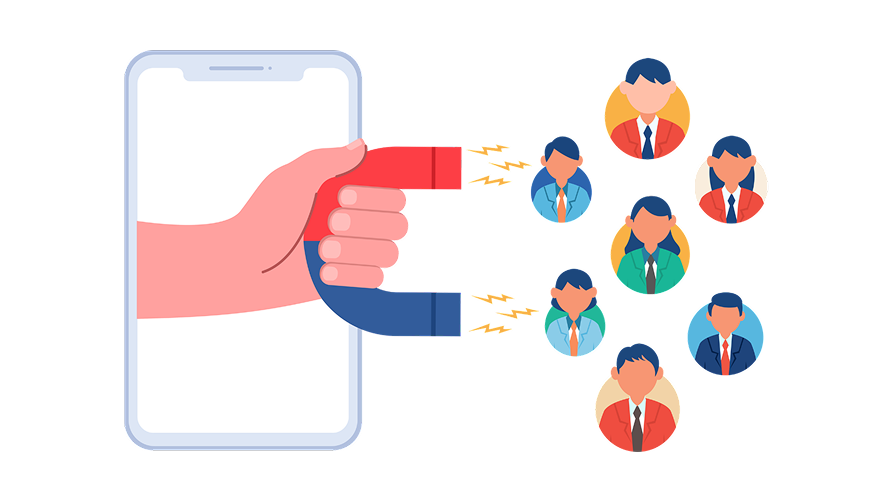
CRM Admission Process

Centralized Inquiry Management

A CRM captures every inquiry automatically or manually into one system. Each student record includes contact details, course interest, source, and interaction history.

This eliminates duplication and confusion. Anyone on the team can see what has already been discussed and what needs to happen next.

Structured Admission Stages

CRMs allow institutions to define admission stages such as:

    • New Inquiry

    • Contacted

    • Counselling Done

    • Application Submitted

    • Fee Discussion

    • Enrolled

This structure creates clarity. Teams know exactly where each student stands and what actions are pending.

Faster Response Times

Quick responses matter in admissions. A CRM enables:

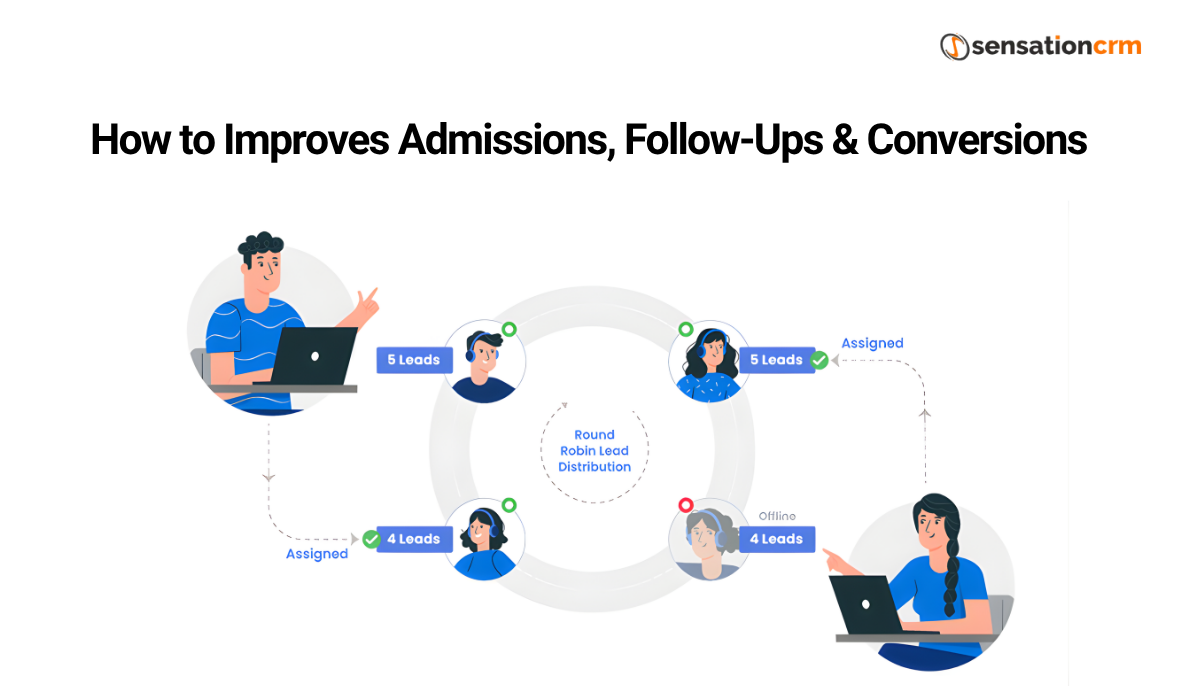
    • Instant lead assignment

    • Automated alerts for new inquiries

    • Templates for common responses

Students receive timely information, which builds trust and keeps engagement high.

Follow-Ups That Actually Happen

Follow-up discipline is one of the strongest predictors of conversion. A CRM solution supports this in practical ways by keeping communication organized and timely.

Automated Reminders

Counsellors receive reminders for scheduled calls, emails, or messages. Follow-ups no longer depend on memory.

Complete Interaction History

Every call note, email, and message is logged. If a student reconnects after weeks, the context is instantly available.

Priority Management

CRMs help teams focus on students who are:

    • Actively engaging

    • Near decision points

    • At risk of dropping off

This prioritization improves efficiency without increasing workload.

Improving Conversion Rates

Conversion is rarely about pressure. It is about timing, relevance, and consistency.

Personalized Communication

With data on course interest, budget range, and previous questions, counsellors can tailor conversations instead of repeating generic information.

Visibility Into Drop-Off Points

CRMs show where students disengage. Institutions can identify whether issues arise during counselling, documentation, or fee discussions.

Better Use of Lead Sources

By tracking conversions by source, lead management helps teams learn which channels produce serious applicants and which need adjustment.

Data-Driven Decision Making

A CRM replaces guesswork with visibility.

Institutions can track:

    • Inquiry-to-enrollment ratios

    • Average response times

    • Counselor performance

    • Campaign effectiveness

These insights support realistic planning for intake targets, staffing, and marketing spend.

Role-Based Access and Collaboration
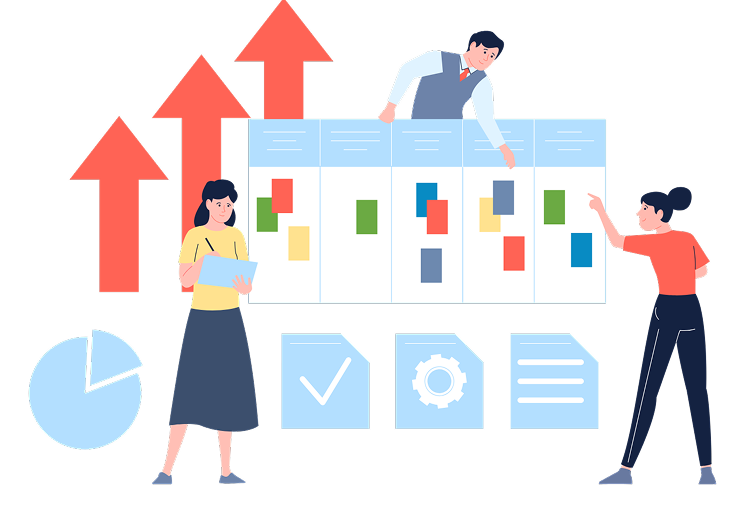
Road Based Collaboration

Admissions involve multiple roles: front-desk staff, counsellors, managers, and marketing teams.

CRMs allow:

    • Role-based access to sensitive data

    • Clear ownership of leads

    • Smooth handovers between teams

This reduces internal friction and duplication of effort.

CRM for Different Types of Educational Institutions

Schools: Schools use CRMs mainly for inquiry handling, parent communication, and admission cycle management.

Colleges and Universities: Higher education institutions benefit from CRMs that handle large volumes, multiple courses, entrance tests, and long decision cycles.

Coaching Centers and Training Institutes: For these institutions, speed and follow-up intensity are critical. CRMs help track batch availability, demo classes, and conversions Solving Admission & Enrollment Challenges effectively.

Comparison Table: Admissions With and Without CRM

Aspect Without CRM With CRM
Inquiry Tracking Manual, scattered Centralized and automatic
Follow-Ups Inconsistent System-driven reminders
Visibility Limited Real-time pipeline view
Accountability Unclear Measurable performance
Conversion Insight Guess-based Data-backed

Common Misconceptions About CRM in Education

“CRM is only for large institutions.” Small and mid-sized institutions often see faster benefits because processes are simpler.

“It replaces human counselling.” CRM supports counsellors; it does not replace judgment or empathy.

“It is difficult to adopt.” Modern CRMs are designed for non-technical users.

Implementation Considerations

A CRM succeeds when aligned with actual workflows.

Key points to consider:

    • Clearly define admission stages

    • Train counsellors on daily usage

    • Start with essential features

    • Review data weekly, not yearly

Adoption matters more than complexity.

CRM is a Must for Educational Institutions

A CRM for educational institutions is not about aggressive selling. It is about clarity. It helps teams stay organized, respond on time, and understand what works and what does not. Admissions become predictable instead of reactive.

For institutions looking for a CRM designed specifically around education workflows, Sensation CRMs offers solutions built to handle inquiries, admissions, follow-ups, and conversions in a structured and practical way. Their approach focuses on usability, visibility, and real admission outcomes rather than unnecessary features.

When implemented with intention, a CRM becomes part of how an institution listens, responds, and grows.
FAQ’s

What is the main benefit of a CRM in education?

The main benefit is structured follow-ups and data tracking that help admissions teams respond promptly and convert more inquiries into enrollments.

CRMs create reminders, schedule follow-ups, and track communication history so no inquiry gets lost or delayed.

Yes. By improving communication, transparency, and responsiveness, CRMs increase the likelihood that prospects complete the enrollment process.

Yes, every interaction emails, calls, messages, notes is logged, giving a complete view of the prospect’s journey

Reports help institutions see where prospects drop off, which staff are performing best, and which programs need more focus.

No. CRM supports teams by organizing work and automating reminders, but human engagement remains central to admissions success.

Categories
Education CRM Software

Education CRM Software vs Generic CRM: Key Differences Explained

Built for The Student Lifecycle

Education CRM software is designed around the full student journey, starting from the first inquiry and continuing through counseling, enrollment, and even post-admission communication. This lifecycle is longer and more layered than a typical sales journey. A student may take weeks or months to decide, ask repeated questions, or pause the process entirely before coming back. Education CRM systems account for this naturally, while generic CRMs are built for short sales cycles and quick closures, which doesn’t align well with how education decisions are actually made.

Admissions Workflow Support

Admissions workflows involve more than just “open” and “closed” stages. There are document checks, eligibility confirmations, fee discussions, seat availability concerns, and academic approvals. Education CRM software includes these workflows by default, so teams can move students through each stage without confusion. Generic CRMs usually require heavy customization to replicate this, and even then, the process often feels forced or incomplete.

Parent Student Communication Handling

In education, communication is rarely one-to-one. Parents, guardians, and sometimes sponsors are involved in the decision-making process. Education CRM software allows institutions to manage multiple contacts linked to a single student profile. This ensures that updates reach the right people at the right time. Generic CRMs usually treat each contact as an individual buyer, which can result in fragmented communication and missing context.

Counselor Management Structure

Education CRM software is built to support counselors rather than sales representatives. It tracks counselor assignments, follow-ups, workloads, and response times in a way that reflects academic counseling rather than sales pressure. This helps institutions ensure fair distribution of inquiries and consistent follow-ups. Generic CRMs focus on deal ownership and sales quotas, which don’t translate well to counseling environments.

Counselor Management Structure

Academic Reporting and Insights

Education-focused reporting looks very different from sales reporting. Institutions need to understand which programs attract the most interest, where students drop off in the admission process, how long decisions take, and which counselors need support. An education CRM software CRM solution provides these insights in a usable, institution-ready format. Generic CRMs mainly report on revenue forecasts and pipeline velocity, which offer limited value in academic decision-making.

Compliance and Data Sensitivity

Educational institutions handle sensitive student information that must be protected carefully. Education CRM software is designed with this responsibility in mind, offering role-based access, audit trails, and controlled data visibility. This ensures that staff members only see the information relevant to their role. Generic CRMs can be secured, but compliance is not their primary design focus, making them riskier if not managed carefully.

Reduced Customization Dependency

One common issue with generic CRMs is the need for extensive customization to fit education workflows. Over time, this creates dependency on technical teams and increases maintenance costs. Education CRM software already understands academic structures, making it a Guide for Schools, Colleges & Coaching Institutes that need stability rather than constant configuration.

Higher User Adoption Rates

Admissions teams are more likely to use a system that feels intuitive and aligned with their daily tasks. Education CRM software mirrors how counselors already work, which leads to higher adoption and better data quality through effective user management. Generic CRMs often feel foreign to academic staff, lacking proper user management controls and causing teams to fall back on spreadsheets or personal notes, which defeats the purpose of having a CRM at all.

Scalability Without Operational Chao

As institutions grow, they face higher inquiry volumes, more programs, and larger counseling teams. Education CRM software scales without disrupting existing workflows, maintaining structure even as complexity increases. Generic CRMs can scale technically, but without proper academic logic, they often create confusion as the institution grows.

Cost vs Long-Term Value

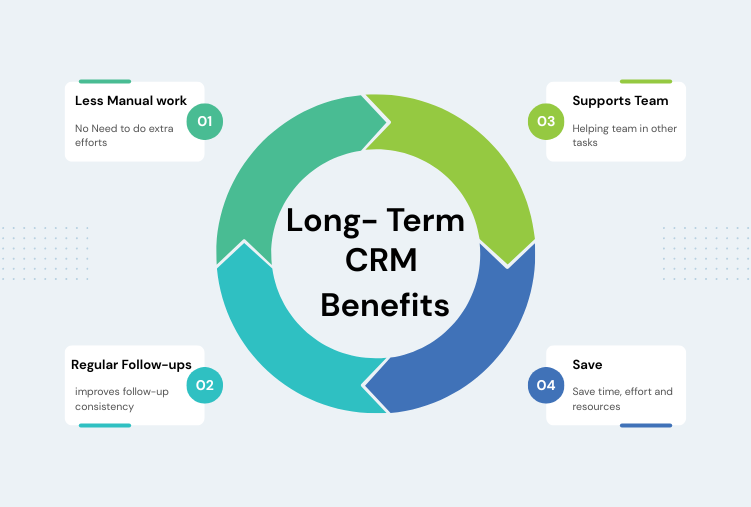
Long-term CRM benefits

While generic CRMs may appear cheaper initially, the long-term costs of customization, training, and inefficiency often outweigh the savings. Education CRM software delivers better value over time because it reduces manual work, improves follow-up consistency, and supports admissions teams more effectively. Institutions end up saving time, effort, and resources in the long run.

Why This Difference Matters in Practice

Choosing between a generic CRM and education CRM software isn’t just a technical decision. It directly affects how smoothly admissions teams operate, how effectively lead management is handled, how students experience the institution, and how leadership makes decisions. A system built for education reduces friction and supports sustainable growth.

Final Thought

Education institutions don’t need to force their processes into a sales-oriented system. They need tools that respect how education actually works.

Sensation CRM is designed specifically for academic environments, supporting admissions workflows, counselor operations, and institutional reporting without unnecessary complexity. For schools, colleges, and coaching institutes that value clarity, accountability, and long-term scalability, using an education-focused CRM makes everyday work simpler and more effective.

FAQs

What is the difference between education CRM software and generic CRM?

Education CRM software is tailored around student lifecycles and admissions processes, while generic CRMs focus on sales pipelines and deal closures. 

They can be adapted, but they usually require heavy customization and may not fit natural education workflows.

Education CRMs include inquiry management, counselor assignments, admissions stage tracking, parent-student relationship mapping, and academic reporting.

Education-focused reporting highlights admissions funnels, follow-ups, conversions, and counselor performance rather than sales revenue.

Not necessarily. While education CRMs can be priced similarly, they save money long-term by reducing customization and increasing adoption.

Yes. By tracking interactions and follow-ups consistently, CRMs help institutions engage students more effectively throughout the admissions process.

See Sensation CRM in Action

Let our team walk you through your customized admissions workflow and show how automation saves hours every week.