Educational institutions across India now manage much more than academics. Schools, colleges, universities, coaching institutes, and EdTech organizations handle thousands of student inquiries every admission season through websites, Google Ads, WhatsApp, phone calls, social media, education portals, and walk-in inquiries.
Managing these interactions manually using spreadsheets, notebooks, or disconnected communication tools often leads to delayed follow-ups, duplicate records, and missed admission opportunities.
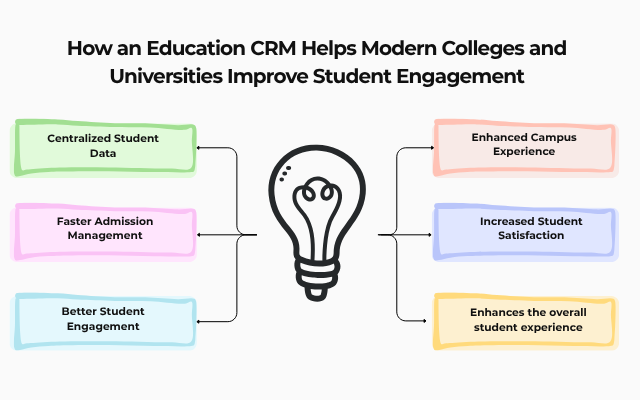
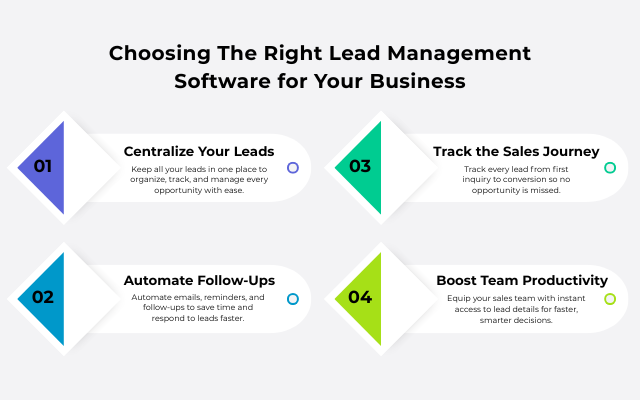
A CRM for educational institutions brings structure to this complexity through effective CRM lead management. It centralizes student data, organizes follow-ups, and helps teams move prospects smoothly from inquiry to enrollment. This article explains how a CRM works in an education context, how it improves admissions and conversions, and what institutions should realistically expect from it.
This guide explains how an Education CRM in India works, how it improves admissions and conversions, and what educational institutions should realistically expect when implementing one.
What Does a CRM Mean for Educational Institutions in India?
In India’s education sector, Customer Relationship Management (CRM) focuses on building long-term relationships with prospective students and parents rather than managing traditional customers.
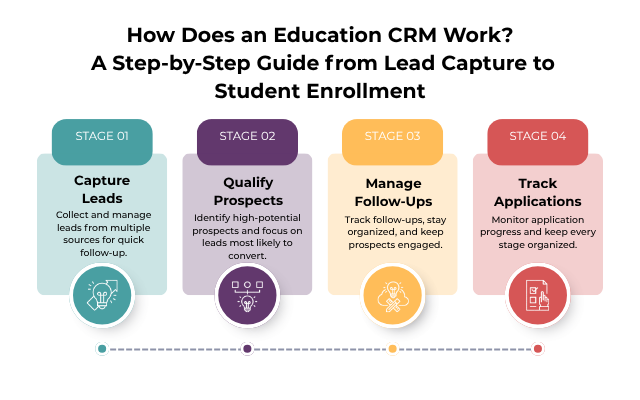
A modern Education CRM in India helps institutions capture inquiries, organize communication, automate follow-ups, and provide a consistent admission experience from the first inquiry through enrollment.
A CRM for educational institutions typically manages:
- Communication history (calls, emails, messages)
- Follow-up schedules and reminders
- Counselor assignments and performance
- Conversion tracking from inquiry to admissionStudent inquiries from all sources
Instead of reacting to scattered information, teams work from one shared system.
Common Admission Challenges Without an Education CRM
Before understanding the benefits, it helps to look at common problems institutions face without a CRM.
1. Fragmented Data: Leads come from websites, social media, education portals, phone calls, walk-ins, and referrals. When each source is tracked separately, there is no complete view of a student’s journey.
2. Missed Follow-Ups: Counsellors rely on memory, notes, or personal calendars. Busy days lead to forgotten calls, delayed responses, and lost interest from students.
3. No Clear Admission Pipeline: Without defined stages, it is difficult to know:
- How many active prospects exist
- Where students drop off
- Which counsellors are overloaded
Limited Accountability: When outcomes are poor, it is hard to tell whether the issue is lead quality, follow-up discipline, or process gaps.
How CRM Improves the Admissions Process
Centralized Inquiry Management
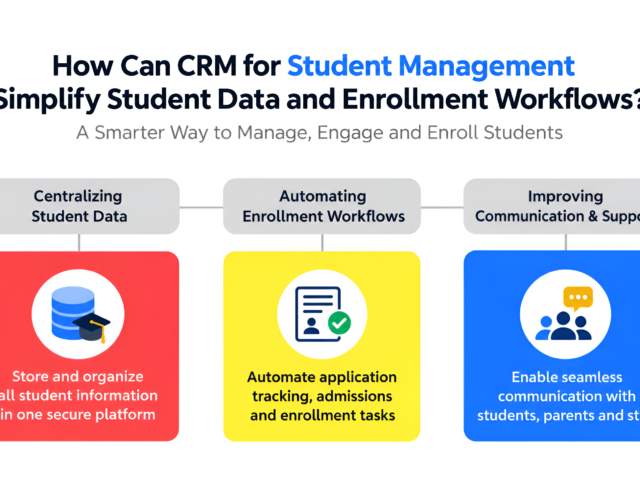
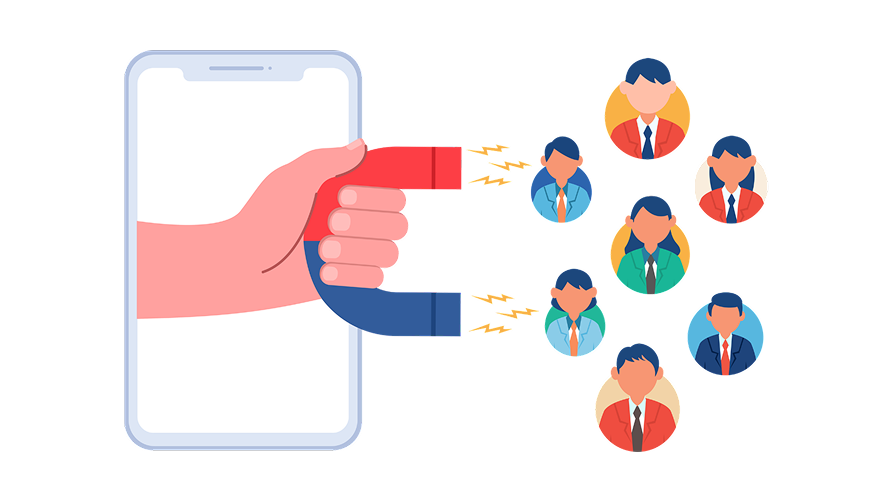
A modern CRM for Colleges, Schools, and Universities in India automatically captures inquiries from every communication channel into one centralized platform.
This eliminates duplication and confusion. Anyone on the team can see what has already been discussed and what needs to happen next.
Structured Admission Stages
An Admission CRM in India allows institutions to define clear admission stages such as:
Inquiry → Counseling → Eligibility Verification → Application Submitted → Document Verification → Fee Discussion → Admission Confirmed → Enrollment
This structured workflow improves visibility and reduces admission delays.
Faster Response Times
Educational institutions using an Education CRM in India can respond to student inquiries much faster through:
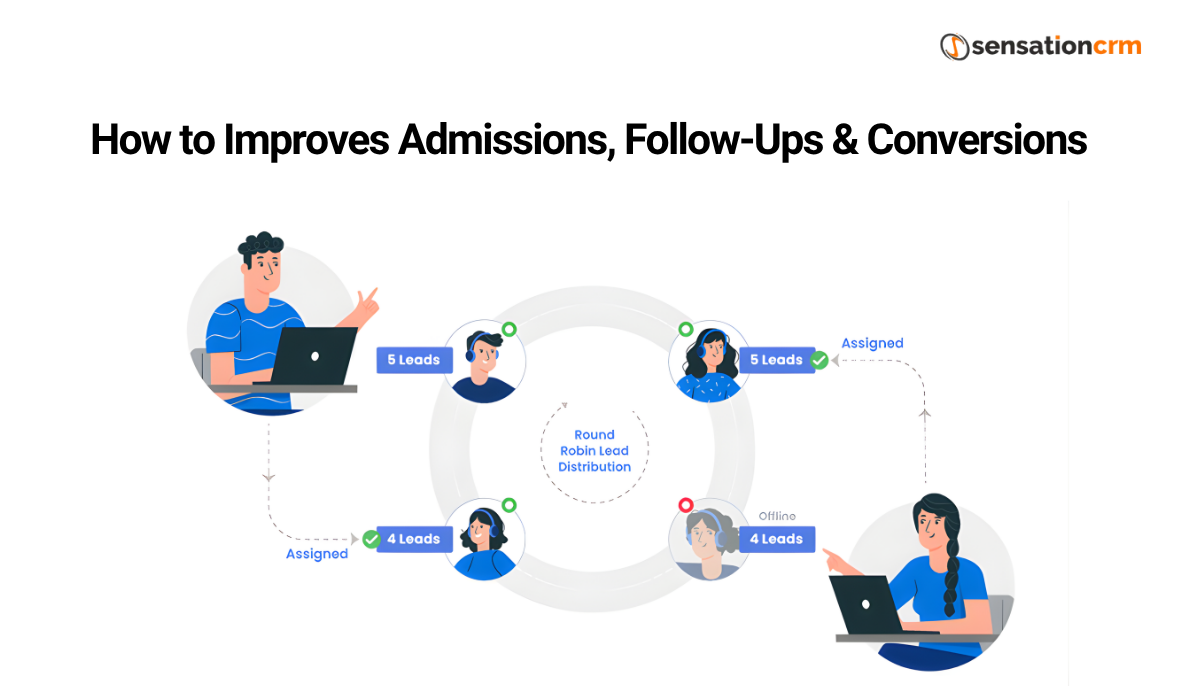
- Instant lead assignment
- Automated alerts for new inquiries
- Templates for common responses
Students receive timely information, which builds trust and keeps engagement high.

Improve Admissions with a Smarter Education CRM
Centralized Lead Management
Automated Follow-ups
Real-time Reports & Analytics
Secure & Reliable
Better Follow-Ups Through Education CRM
Follow-up discipline is one of the strongest predictors of conversion. A CRM solution supports this in practical ways by keeping communication organized and timely.
Automated Reminders
A modern Education CRM App automatically reminds admission counselors about pending follow-ups, document submissions, counseling sessions, interviews, and fee reminders.
This helps institutions maintain consistent communication throughout the admission cycle.
Complete Interaction History
Every call note, email, and message is logged. If a student reconnects after weeks, the context is instantly available.
Priority Management
CRMs help teams focus on students who are:
- Actively engaging
- Near decision points
- At risk of dropping off
This prioritization improves efficiency without increasing workload.
Improving Conversion Rates
Conversion is rarely about pressure. It is about timing, relevance, and consistency.
Personalized Communication
With data on course interest, budget range, and previous questions, counsellors can tailor conversations instead of repeating generic information.
Visibility Into Drop-Off Points
CRMs show where students disengage. Institutions can identify whether issues arise during counselling, documentation, or fee discussions.
Better Use of Lead Sources
By tracking conversions by source, lead management helps teams learn which channels produce serious applicants and which need adjustment.
Data-Driven Decision Making
A CRM replaces guesswork with visibility.
Institutions can track:
- Inquiry-to-enrollment ratios
- Average response times
- Counselor performance
- Campaign effectiveness
These insights support realistic planning for intake targets, staffing, and marketing spend.
Role-Based Access and Collaboration
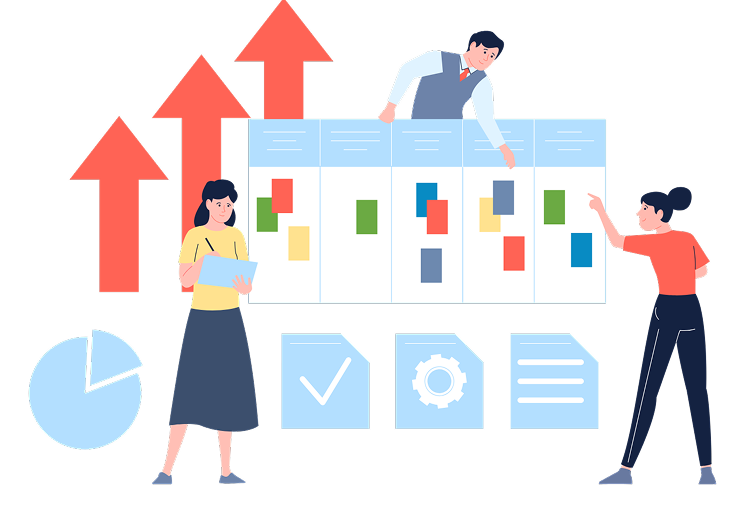
Admissions involve multiple roles: front-desk staff, counsellors, managers, and marketing teams.
CRMs allow:
- Role-based access to sensitive data
- Clear ownership of leads
- Smooth handovers between teams
This reduces internal friction and duplication of effort.
How Different Educational Institutions Benefit from CRM
Schools – Manage parent inquiries, admissions, and communication.
Colleges – Track thousands of student inquiries across multiple academic programs.
Universities – Manage large-scale admissions, entrance exams, document verification, scholarships, and enrollment.
Coaching Institutes – Improve demo class management, batch planning, and student follow-ups . CRMs help track batch availability, demo classes, and conversions Solving Admission & Enrollment Challenges effectively.
EdTech Platforms – Centralize online student inquiries and automate enrollment communication.
Why AI-Powered Education CRMs Are Growing in India
Educational institutions are increasingly adopting AI-powered CRM platforms to improve admission efficiency.
Modern AI-enabled Education CRMs help institutions:
- Automate repetitive administrative tasks
- Prioritize high-quality student inquiries
- Improve counselor productivity
- Personalize student communication
- Predict enrollment trends
- Generate actionable admission insights
AI allows admission teams to spend more time supporting students and less time managing manual processes.
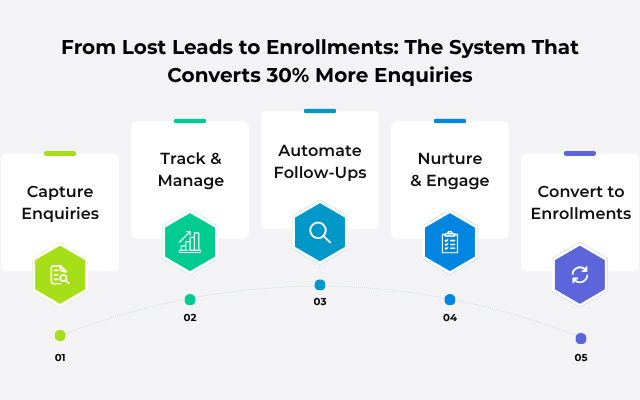
Turn More Student Leads into Enrollments
Capture Inquiries
From all sources in one place
Automate Follow-ups
Timely reminders & communication
Monitor Performance
Track counselors & team activity
Increase Enrollments
Convert more inquiries into admissions